Short version
Drive further up the road to the trailhead at each end to save walking days. Ask us
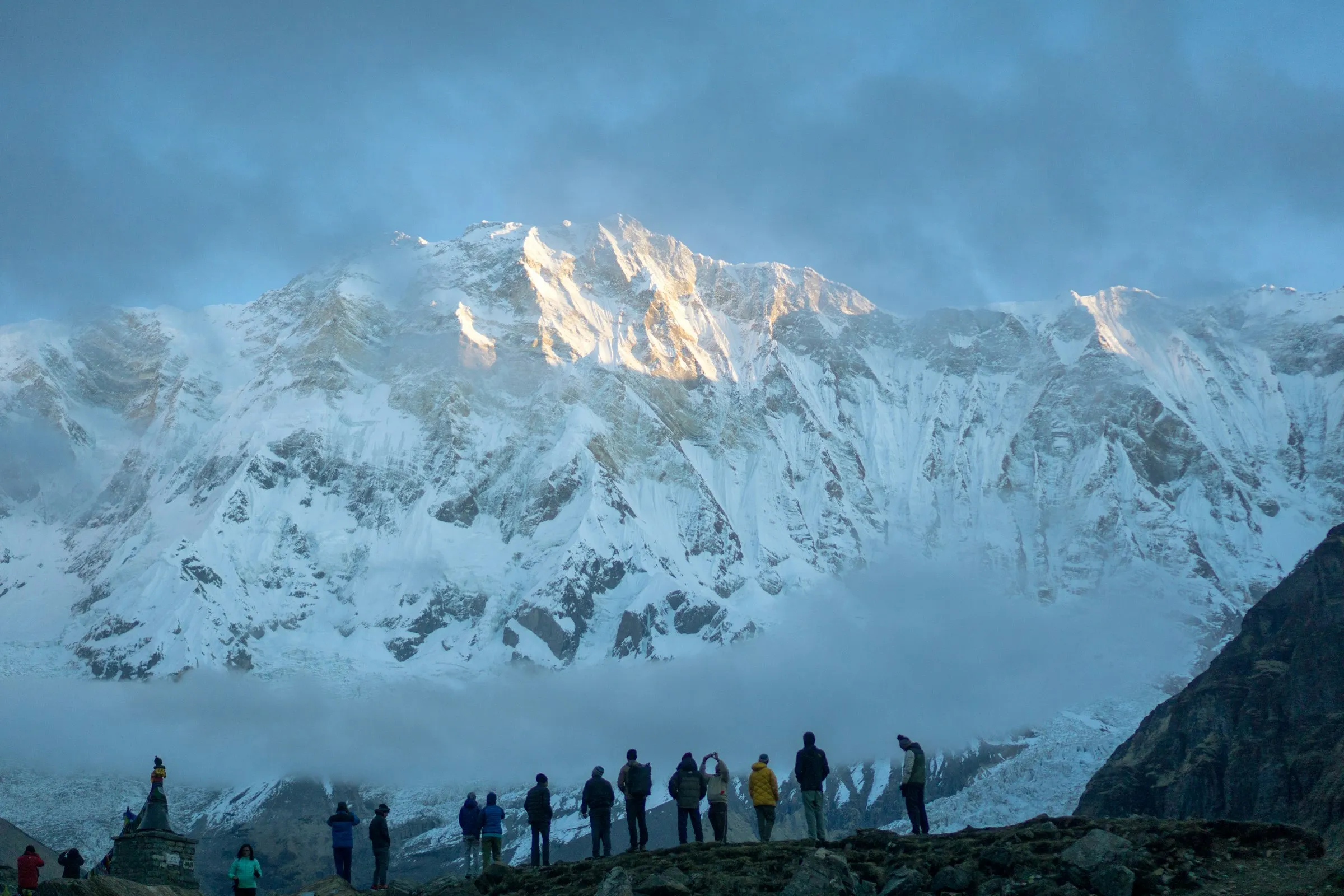
Annapurna (Modi Khola valley)
Walk into the Annapurna Sanctuary
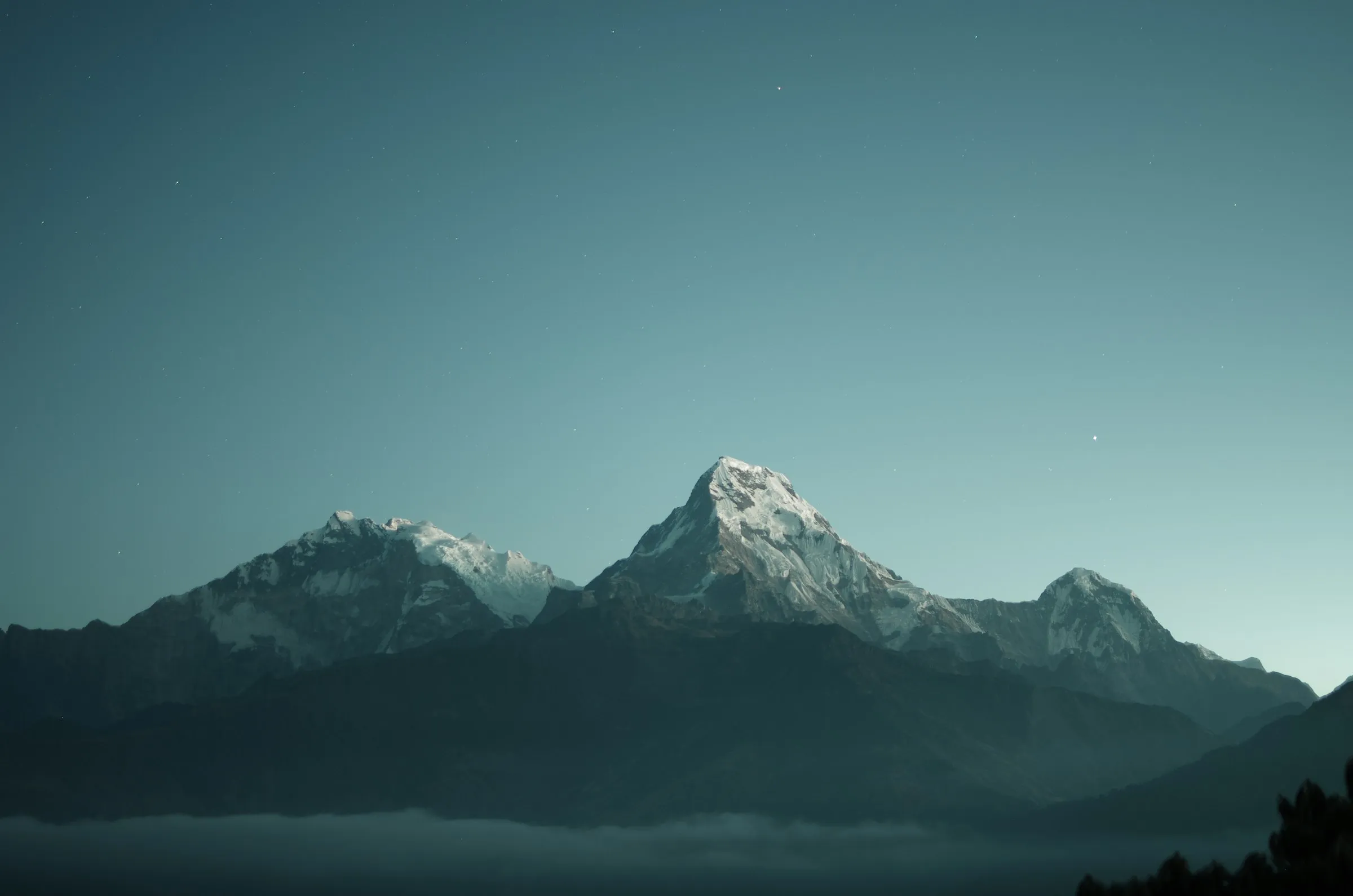
From Gurung villages above Pokhara into the Annapurna Sanctuary, a high basin ringed by snow peaks, ending at Annapurna Base Camp at 4,130 m.
Moderate to hard, 3 of 5 Moderate to challenging
The marker follows you down the itinerary. Red figures are height gained since where you slept the night before.
Loading map…
Pick the day you want to start walking. We'll lay out your whole trip and check the season.
Your own guide and your own pace, starting on a date you choose in season.
Ask us for current details.
Prices rise the higher you go. Bring cash in Nepali rupees.
No hidden costs, no surprise group merging, a named guide, and a descend-first safety plan. Read our promises → Ask us
Drive further up the road to the trailhead at each end to save walking days. Ask us
Add a night at Deurali or Machapuchare Base Camp before the top, and a night at the Jhinu Danda hot springs on the way down. On request
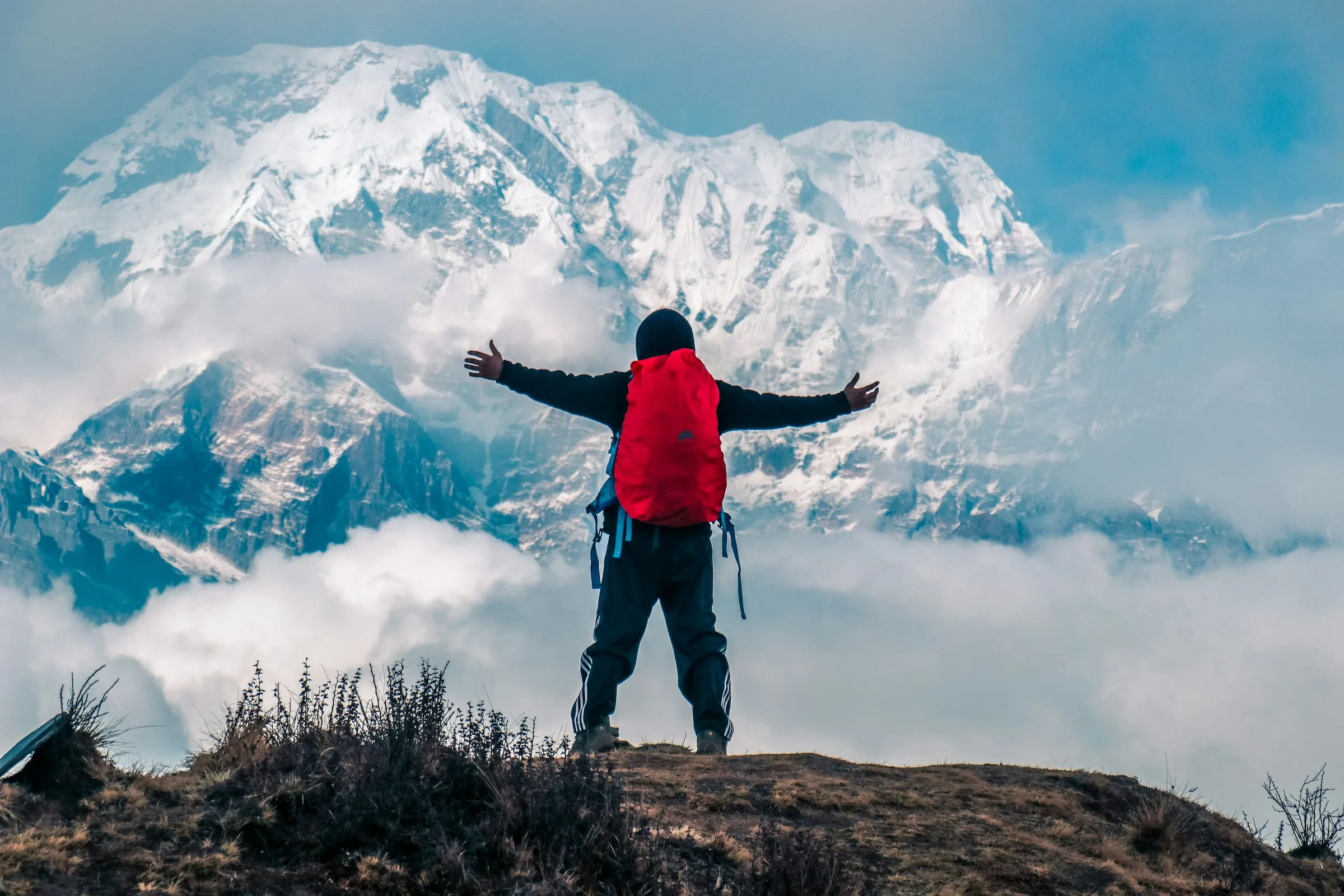
Start via Ghorepani and climb Poon Hill at dawn for a wide view of the Annapurna and Dhaulagiri ranges, then join the trail to the Sanctuary. Usually adds one to two days.
On the way down, soak tired legs in the natural hot springs by the river below Jhinu Danda.
Rest by Phewa Lake, take a boat out, or try paragliding over the valley before you fly home.
Add a few days in the lowland jungle looking for rhinos and birds, a day's drive from Pokhara.
Teahouses are family-run lodges: simple twin rooms with foam mattresses and blankets, and a shared dining room warmed by a stove in the evening. Toilets are often shared, and hot showers and charging cost extra the higher you go.
Teahouse lodges, twin-share rooms
Most teahouses serve a similar menu: dal bhat (rice, lentil soup and vegetable curry, usually with free refills), noodles, momos, eggs, porridge, pancakes and plenty of tea. Higher up the menu shrinks and prices rise, because everything is carried in.
It's a moderate to challenging walk with no climbing skills needed. The hard parts are the long stone staircases around Chhomrong and the climb from Deurali into the Sanctuary, where you sleep at 4,130 m. Good general fitness and some training beforehand make a big difference.
Yes, if you're reasonably fit and train for six to eight weeks with hill walks or stairs. It needs no flights and doesn't go above 4,130 m, which makes it a good first trek at altitude. For something shorter and lower, see our Poon Hill trek.
Since 1 April 2023, Nepal requires foreign trekkers in national parks and conservation areas to trek with a licensed guide. See our [guide rules explainer](/journal/do-i-need-a-guide-nepal/) for the details and sources; we confirm the current position when you book.
An Annapurna Conservation Area Permit (ACAP). Your guide arranges it and the fee is part of your quote. See the permits guide for current fees.
March to May and late September to November. Spring brings rhododendrons in bloom; autumn has the clearest skies. Winter is possible but cold at the top, and the monsoon (June to September) brings rain, cloud and leeches.
You might. Altitude sickness can start above about 2,500 m and affects people regardless of fitness. The itinerary climbs gradually, and the most important rule is simple: if you feel unwell, don't go higher. Tell your guide straight away.
Teahouses: simple family-run lodges with twin rooms, blankets and a shared dining room. Rooms are basic and unheated, so bring a warm sleeping bag.
Most teahouses offer Wi-Fi and charging for a small fee. Both get slower and less reliable the higher you go, so bring a power bank.
Don't drink untreated tap or stream water. Buy boiled water at teahouses or bring a filter or purification tablets, which also cuts down on plastic bottles.
The section between Deurali and Machapuchare Base Camp can be exposed to avalanches after heavy snow, mostly in winter and early spring. Guides check conditions locally and won't cross when it isn't safe.
Yes. Starting via Ghorepani lets you see sunrise from Poon Hill before joining the trail to the Sanctuary. It usually adds one to two days.
Insurance that covers trekking up to at least 6,000 m and helicopter evacuation. Check the altitude limit in the policy wording, not just the summary.
Tell us your dates. We'll send a day-by-day plan and full quote within 24 hours.
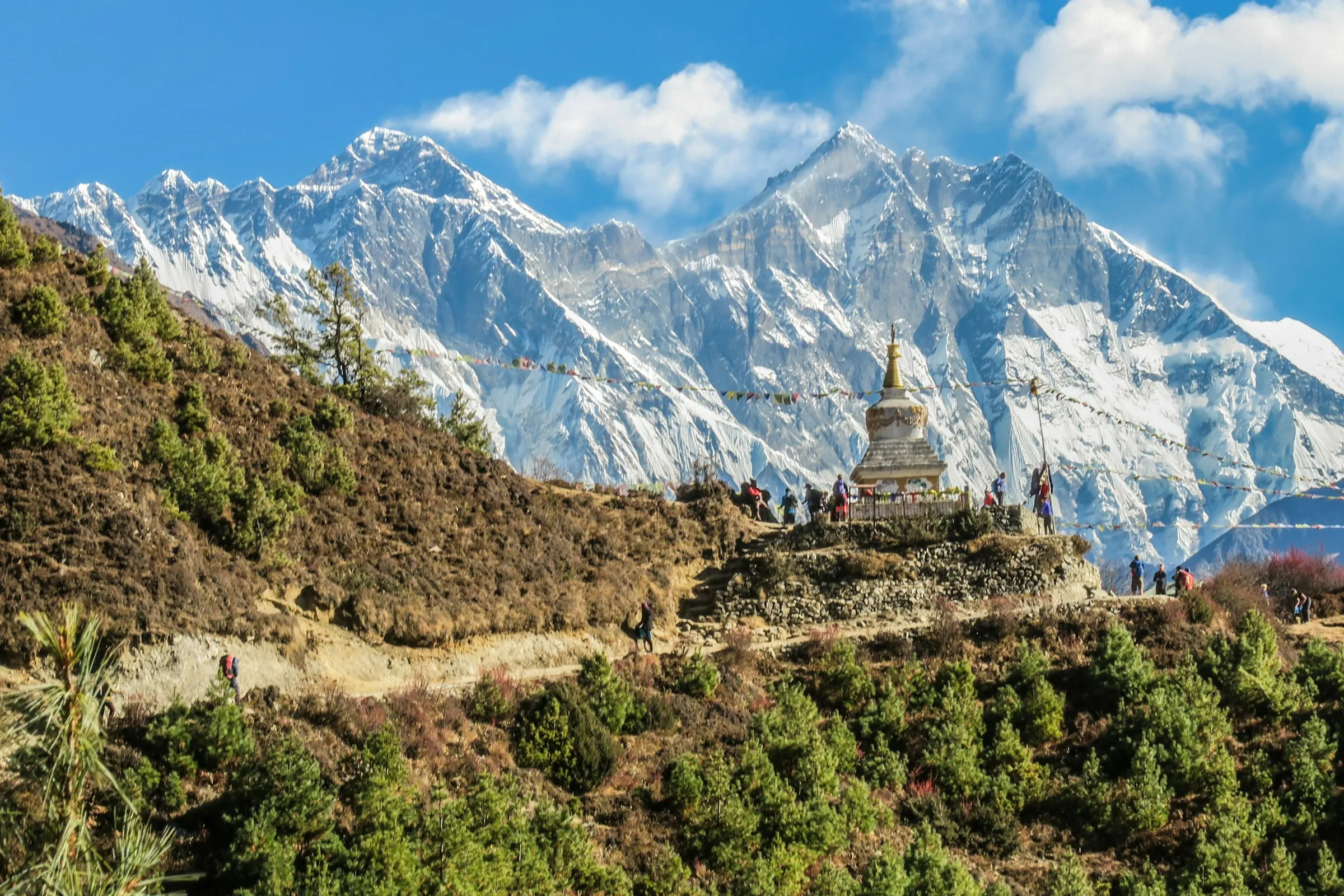 The big one
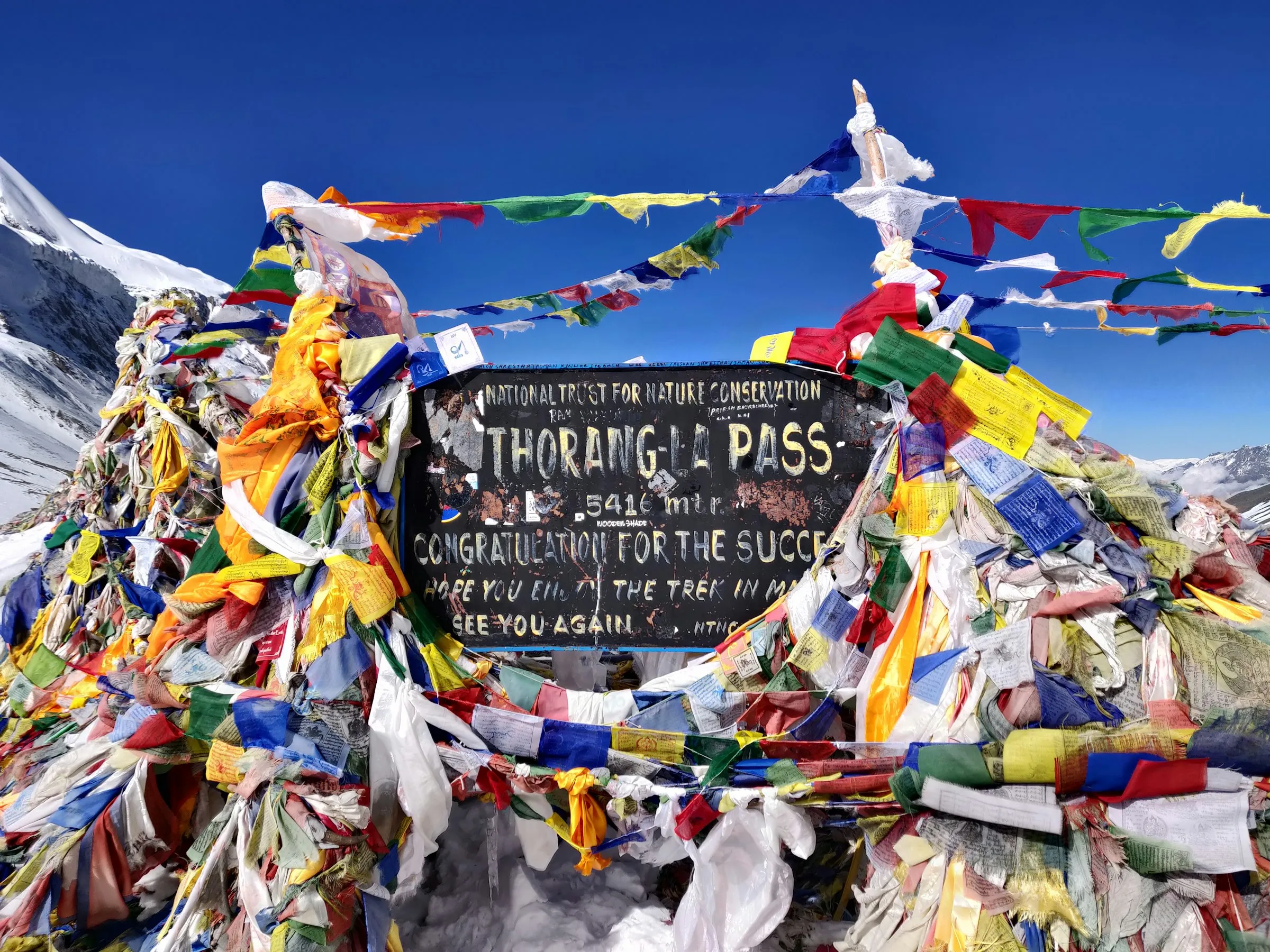 Variety and a high passShort and easy
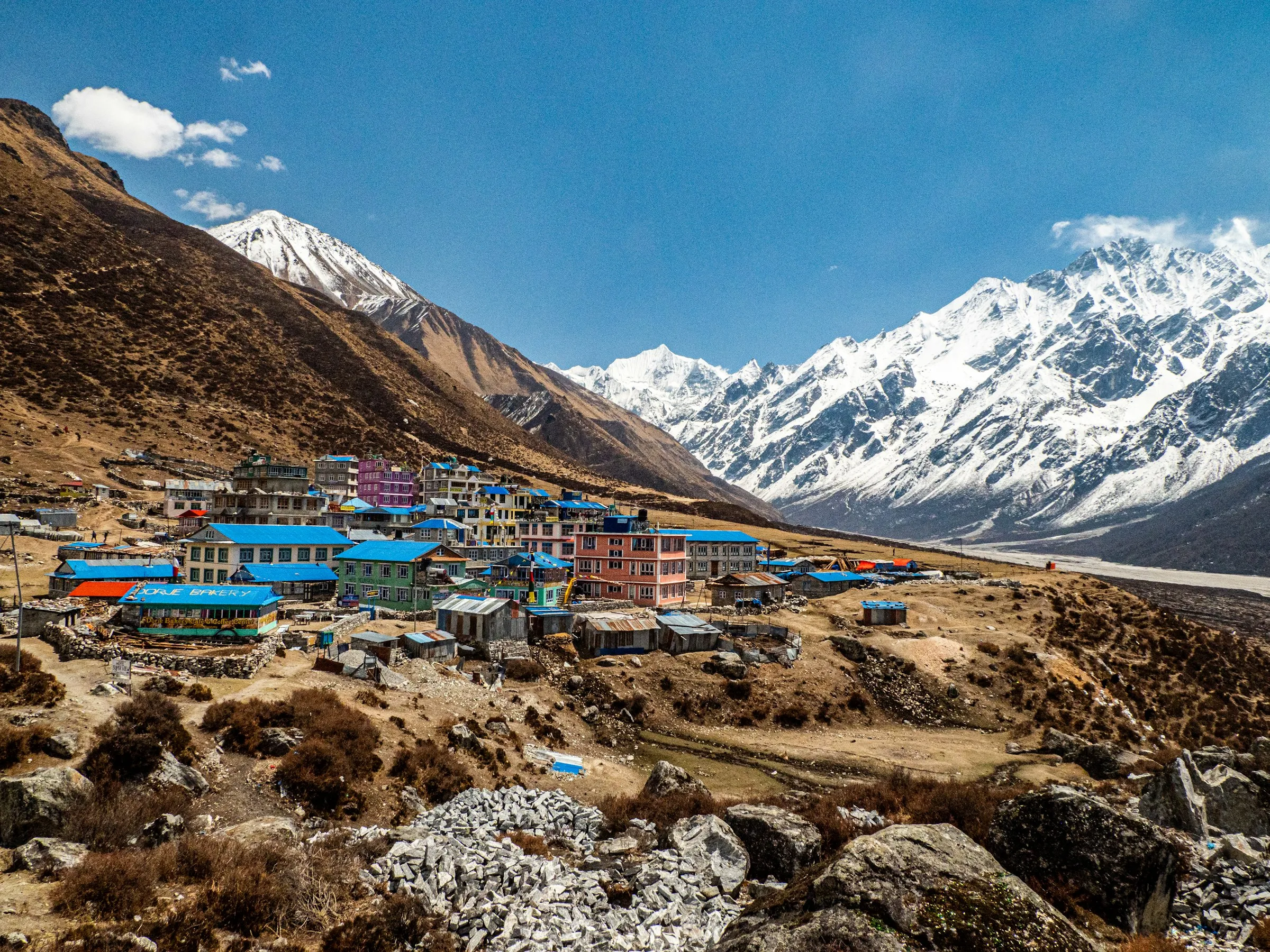 No flights, close to Kathmandu
Hi! Planning a trek? Ask me anything about routes, dates or prices.
Chat on WhatsAppOr send an enquiry form